‘Doc, I really don’t feel like myself. I think it’s my hormones. Could it be my hormones? Can you test my hormones?’
How many times have I heard new clients tell me this story? They go to see their GP, Gyno, or Internist, asking to have their hormones tested. Only to be told that there is no testing for hormones. Or that it’s not necessary to test hormones. Only to leave feeling dismissed, with no answers to why they do not feel well.
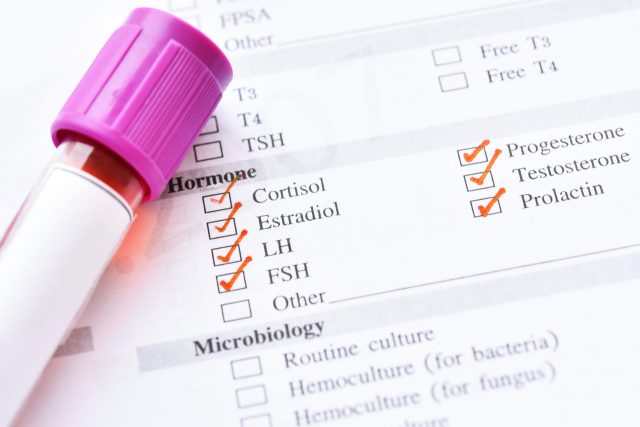
While I understand that your GP, Gynocologist, and Primary Care Physician are not the jack of all trades,’ there are many tests for hormones. There are blood tests, urinary testing, and even saliva testing. The more difficult part of hormone testing is the interpretation. The basic lab values assigned by the labs are very vast, and without experience and training, it can be quite difficult to determine if there is a hormone imbalance.
If you are feeling like you have a hormone imbalance or having symptoms concerning your hormones, below is a list of common hormones to be tested and why. Because blood lab testing is so popular, I am going to stick to blood testing. Later we will have more labs and interpretations for urine and saliva.
To start, blood testing is just a look at one moment in time with respect to your hormone levels. In a menstruating woman, her hormone levels are changing every day. But in a menopausal woman where the ovarian function has ceased, her hormone levels are going to be pretty level day to day. So in a female that is still having her period, I like to try and aim for getting the blood drawn around day 12 and/or day 21. In a 28-day cycle, the estrogen will surge around day 12, and the progesterone will surge on day 21. This can give us better insight into her levels of progesterone and estrogen. In a menopausal woman that has not had a period or has sporadic periods with common menopausal symptoms, I will have her draw her blood any time of the month.
FSH and LH:
FSH stands for follicle-stimulating hormone, and LH stands for luteinizing hormone. These are not actually hormones. They are stimulating hormones.’ Meaning both the FSH and LH are released from the pituitary gland (in your brain) in response to estrogen and progesterone production. The FSH and LH work in what is called a negative feedback loop.’ Meaning if the levels of estrogen and progesterone are high, then the FSH and LH are low. In turn, if the estrogen and progesterone levels are low, then the FSH and LH are high. It is like when you want your husband to take out the garbage. If he doesn’t, you might raise your voice until he does. It is the same with all stimulating hormones. If the ovarian production of hormones is low, as in menopause or perimenopause, the FSH and LH levels will look high.
Estradiol and Progesterone:
Always test estradiol to get specific results for estrogen levels. Estradiol is much more specific for estrogen levels than simple total estrogens. Ideally, in a menstruating woman having the blood test around day 21 will give you insight if that woman is ovulating. It will so give you insight if there is progesterone deficiency or estrogen dominance. Just a little background. In a perfect 28-day cycle, the period is from about days 1-4, and the estradiol and progesterone are low. After the shedding of the uterus (period), the estradiol starts to climb, peaking at day 12. The rise in estradiol will cause ovulation on about day 14. Where the egg leaves the ovary to travel down the fallopian tube is a spot called the corpus luteum. The corpus luteum will start to secrete progesterone. This is why I like to test progesterone post-day 14 (around day 21). If there is no progesterone post-day 14 then that means there was no ovulation. If the progesterone is low, then there could have been ovulation, but the secretion of progesterone is low. This is very common in perimenopause (ages 40-50yo). Now, if post day 14, the estradiol is quite high, then that woman is experiencing estrogen dominance. Estrogen dominance and progesterone insufficiency have a lot of symptoms and are very treatable, but that is another blog/podcast.
Testosterone and DHEA:
I consider testosterone to be more of an adrenal hormone for females. Testosterone is a reproductive hormone for men but for women, it is not. Women make DHEA from the adrenals, and it will convert to testosterone. We do make a little testosterone from the ovaries, but the majority is from the conversion of DHEA to testosterone. Both DHEA and testosterone are considered androgens. Meaning they can cause more androgen symptoms such as acne, hair loss, and irritability. But I feel testosterone and DHEA are super important to the balance of hormones in a woman’s life. But if the estrogen and/or progesterone are dropping/declining, then the testosterone and DHEA can become the leader of the pack. They are unbuffered by estrogen and progesterone, thus causing androgen symptoms. Testosterone is usually pretty stable throughout the cycle (it can increase during ovulation). But you can blood test for testosterone pretty much any time of the cycle. DHEA should be tested as DHEA-Sulfate. DHEA-Sulfate is a metabolite of DHEA. But it is much more specific as a marker for DHEA than a total DHEA.
Cortisol:
Cortisol in a blood test is not very accurate. Ideally, the more accurate form of cortisol testing is saliva testing. In fact, multiple saliva samples in a 24-hour period give very specific results. As cortisol is released from the adrenal glands in a diurnal curve. Meaning it is highest in the morning, drops slowly in after, and is the lowest at night so that you can get a good night’s sleep. But for convenience sake, I will do a serum/blood cortisol level. It does give you some insight as to where the cortisol levels are at. Especially if the saliva test is too costly for a client or too time-consuming to be collecting samples of saliva in a day.
Insulin:
Insulin is often not tested. I love to have a fasting-insulin blood test. It is so common in hormonal imbalance, such as perimenopause or menopause, to have weight gain. As soon as a woman hits perimenopause, it is like they gain 10-15 lbs overnight. This can be due to insulin. Insulin a fat-storing hormone. If there are higher normal levels of insulin, that makes it really easy to gain weight and difficult to lose.
Thyroid Testing:
Just because the thyroid has such an impact on the female hormones, I always do thyroid function blood testing. TSH (thyroid stimulating hormone) is another stimulating hormone from the pituitary gland. It monitors overall thyroid levels in the body. Never base a simple TSH on the function of the thyroid. Always get a FreeT4 and a FreeT3. The thyroid mainly makes T4, which will then travel in the body, and the peripheral tissues will convert T4 to free T3. Free T3 is the active hormone of the thyroid. So it is important to know that the T4 is converting to T3 for thyroid function.
If you have never had your thyroid tested before, make sure to test for Hashimoto’s antibodies. The main Hashimotos antibodies are thyroid-peroxidase antibodies (TPO) and antithyroglobulin antibodies (TGab). Hashimotos and Hashimoto’s antibodies are a whole lengthy podcast, but be sure to check at least once in your lifetime to see if you have Hashimotos.
As I mentioned at the beginning, many docs will not test your hormones. If you are having trouble getting your hormones tested, go to progressyourhealth.com/labs. We have comprehensive hormone panels and individual ala-cart tests. If you are reading this, then it is enough to assume you are ready to take control of your hormonal health. We are here to help and guide you on that process.
For a list of some of the panels we offer, click here.
If you have questions, feel free to contact us.
The post What Hormone Tests Should I Get? | PYHP 122 appeared first on .
Discover the common and unfamiliar symptoms that you might be experiencing. Get access to cases of real women with hormonal conditions.

Hormone Coaching App: 👉 http://hormonenavigator.com/ Progress Your Hormones Community: 👉 https://www.progressyourhormones.com/ Menopausal women everywhere are asking the same question: “What’s the RIGHT starting dose for testosterone?” In this episode, hormone experts break down why testosterone dosing is NOT one-size-fits-all, and why starting too high could trigger acne, hair loss, anxiety, or even irreversible side effects. You’ll learn: The safest starting testosterone dose for menopausal women Why some women tolerate higher levels better than others The hidden connection between testosterone, DHT, acne, and hair shedding Why libido problems are more complicated than most people think The truth about pellets vs testosterone cream The side effects doctors watch for FIRST How testosterone impacts motivation, muscle mass, energy, and bone density If you’ve ever wondered whether testosterone therapy could help your menopause symptoms, this episode explains the risks, benefits, and biggest mistakes women make when starting HRT. 🔔 Subscribe for more episodes on bacterial vaginosis, hormones, menopause, heart health, thyroid, and longevity with Dr. Valorie & Dr. Maki. 👍 Like and share this video if it helped you 📩 Comment below with your top takeaway or question Disclaimer: Educational content only; not medical advice. Please discuss your labs and care plan with your clinician.
Hormone Coaching App: 👉 http://hormonenavigator.com/ Progress Your Hormones Community: 👉 https://www.progressyourhormones.com/ Are you taking the right HRT dose… or just the common one? In this episode, we break down a growing problem in hormone therapy: 👉 Younger women are overdosing 👉 Menopausal women are being underdosed And the real issue? Most practitioners treat different hormone types like they’re the same when they’re not. You’ll discover: Why estradiol patches vs creams are NOT equal The hidden mistake when switching HRT types Why “low dose” might actually be hurting you How absorption changes everything Why lab numbers alone don’t tell the full story The real difference between perimenopause vs menopause dosing This isn’t just about numbers; it’s about precision, personalization, and feeling like yourself again. 💡 If your labs are “normal” but you still feel off… this might explain why. 🔔 Subscribe for more episodes on bacterial vaginosis, hormones, menopause, heart health, thyroid, and longevity with Dr. Valorie & Dr. Maki. 👍 Like and share this video if it helped you 📩 Comment below with your top takeaway or question Disclaimer: Educational content only; not medical advice. Please discuss your labs and care plan with your clinician.
Hormone Coaching App: 👉 http://hormonenavigator.com/ Progress Your Hormones Community: 👉 https://www.progressyourhormones.com/ Think menopause ends when symptoms fade? Think again. In this episode, we break down “deep menopause,” a phase rarely discussed but critical for long-term health. While hot flashes and mood swings may disappear, deeper issues like bone loss, muscle decline, insulin resistance, and cardiovascular risk can quietly accelerate. Discover: Why feeling “fine” can be misleading The hidden risks after age 60 How hormone therapy should be approached differently The real reason muscle loss speeds up aging What most doctors overlook about long-term menopause care This is where prevention becomes reversal, and strategy matters more than ever. If you’re serious about longevity, energy, and protecting your future health, this is the conversation you can’t afford to miss. 🔔 Subscribe for more episodes on bacterial vaginosis, hormones, menopause, heart health, thyroid, and longevity with Dr. Valorie & Dr. Maki. 👍 Like and share this video if it helped you 📩 Comment below with your top takeaway or question Disclaimer: Educational content only; not medical advice. Please discuss your labs and care plan with your clinician.
Hormone Coaching App: 👉 http://hormonenavigator.com/ Progress Your Hormones Community: 👉 https://www.progressyourhormones.com/ Is it normal to feel worse years after menopause, even when your labs look fine? In this episode, doctors break down the hidden phase called middle menopause—the stage no one explains, where symptoms shift from hot flashes to something more confusing and frustrating. You’ll learn why: Your cholesterol suddenly increases (without changing your diet) You feel more tired, inflamed, or even pre-diabetic Weight gain seems uncontrollable Intimacy becomes painful Your body no longer feels like your own This isn’t just “aging.” It’s a hormonal recalibration phase that most doctors overlook. Discover the real reason behind: Rising LDL cholesterol Insulin resistance & blood sugar spikes Vaginal dryness and urinary symptoms Increased stress sensitivity despite a “better” life Plus, learn how lifestyle, hormones, and modern tools like personalized hormone tracking can help you take back control. 👉 If you’ve ever thought: “Why do I feel worse now than before?” — this episode is for you. 🔔 Subscribe for more episodes on bacterial vaginosis, hormones, menopause, heart health, thyroid, and longevity with Dr. Valorie & Dr. Maki. 👍 Like and share this video if it helped you 📩 Comment below with your top takeaway or question Disclaimer: Educational content only; not medical advice. Please discuss your labs and care plan with your clinician.
Hormone Coaching App: 👉 http://hormonenavigator.com/ Progress Your Hormones Community: 👉 https://www.progressyourhormones.com/ Are you experiencing symptoms of menopause, but not quite there yet? There’s a confusing phase most women go through that isn’t clearly defined: the transition between late perimenopause and full menopause. This stage is often misunderstood, misdiagnosed, or completely overlooked. What you’ll learn: The REAL difference between perimenopause, “in-between,” and entering menopause Why your estrogen levels suddenly feel like they’ve “left the building” The surprising symptoms no one warns you about (brain fog, night sweats, mood shifts) How your body tries to rebalance itself and why it feels chaotic What your lab results (FSH, estradiol) actually mean during this phase If you’ve ever felt like your body changed overnight or your symptoms don’t match what you’ve been told, this is the clarity you’ve been missing. 👉 Plus: Learn how to track your symptoms and understand your hormonal phase with precision. 🔔 Subscribe for more episodes on bacterial vaginosis, hormones, menopause, heart health, thyroid, and longevity with Dr. Valorie & Dr. Maki. 👍 Like and share this video if it helped you 📩 Comment below with your top takeaway or question Disclaimer: Educational content only; not medical advice. Please discuss your labs and care plan with your clinician.

Hormone Coaching App: 👉 http://hormonenavigator.com/ Progress Your Hormones Community: 👉 https://www.progressyourhormones.com/ You’ve been told your labs are “normal”… but you still feel exhausted, moody, gaining weight, and not like yourself. So what’s really going on? In this episode, we break down one of the biggest misconceptions in women’s health: why “normal” lab results don’t always mean optimal health, especially during perimenopause and menopause. Discover why symptoms like brain fog, poor sleep, weight gain, and mood swings are often ignored… and how traditional lab testing can miss the full picture. We also reveal how tracking patterns over time and combining symptoms with deeper hormone insights can unlock real answers and personalized solutions. If you’ve ever felt dismissed, confused, or stuck… this conversation will change how you look at your health forever. What you’ll learn: ● why normal blood tests don’t show hormone imbalance ● How to read hormone labs in perimenopause ● early signs of perimenopause in your late 30s ● What hormones to test for women over 40 ● why you feel bad even with normal lab results ● How to track hormone changes over time ● best lab tests for female hormone health ● The difference between normal vs optimal lab ranges ● How hormones affect sleep mood and weight ● How to create a personalized hormone health plan 🔔 Subscribe for more episodes on bacterial vaginosis, hormones, menopause, heart health, thyroid, and longevity with Dr. Valorie & Dr. Maki. 👍 Like and share this video if it helped you 📩 Comment below with your top takeaway or question Disclaimer: Educational content only; not medical advice. Please discuss your labs and care plan with your clinician.




